Pet Dental Services in Highland, UT
Healthy teeth and gums play a major role in how comfortably your pet eats, plays, and enjoys everyday life. At Highland Hills Vet Hospital, we provide pet dental in Highland, UT, for dogs and cats who need preventive oral care, professional cleanings, dental imaging, or treatment for painful teeth. Because many dental problems develop below the gumline, they can be easy to miss at home until discomfort becomes more noticeable. Our veterinary team takes a careful, compassionate approach to oral health, explaining what we find and building a treatment plan around your pet’s comfort, safety, and long-term well-being.
Why Pet Dental Health Deserves Attention
Dental disease is about more than bad breath or visible tartar. Plaque can harden into tartar, while bacteria and inflammation may affect the gums, supporting tissues, tooth roots, and surrounding bone over time.
Dogs and cats are also very good at hiding oral discomfort. A pet may continue eating even when chewing hurts, so subtle signs such as dropping food, chewing on one side, avoiding hard treats, or becoming less interested in toys may be worth discussing with our veterinary team.
Professional Pet Dental Cleanings
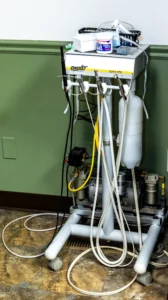
A professional dental cleaning goes beyond removing the buildup you can see on the surface of the teeth. Periodontal problems often develop below the gumline, which means a complete veterinary cleaning needs to address areas that cannot be safely or thoroughly cleaned while a pet is awake.
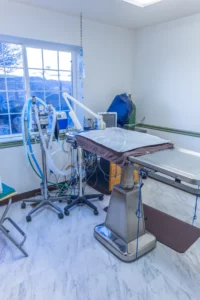
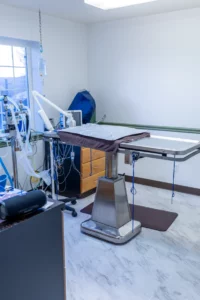
During a dental procedure, we can examine the mouth, remove plaque and tartar from above and below the gumline, polish the teeth, and identify areas that may require additional treatment. We also discuss the procedure, monitoring, and any recommended pre-treatment testing before your pet’s appointment. As part of our commitment to comprehensive pet services, we take time to answer all your questions about the process.
Why Anesthesia Is Used for Veterinary Dental Care
Anesthesia allows us to perform a more complete dental examination and cleaning while keeping the patient still and comfortable. It also gives us access to the areas below the gumline where significant dental disease can develop.
We evaluate each pet individually before recommending a dental procedure. Our team explains what is involved so you understand why anesthesia may be necessary and how it supports a more thorough approach to oral care.
Dental X-Rays Reveal Hidden Problems
A large portion of each tooth sits below the gumline, which means a tooth can look relatively normal from the outside while still having root damage, bone loss, infection, or another painful problem underneath.
Dental X-rays can help us evaluate tooth roots and surrounding structures that cannot be assessed through visual examination alone. When recommended, this diagnostic imaging helps us make more informed decisions about whether a tooth can remain in place or whether treatment or extraction is more appropriate.
Dental Extractions for Painful or Damaged Teeth
Sometimes a tooth is too damaged or diseased to remain comfortably in the mouth. Severe periodontal disease, fractures, root problems, infection, or significant bone loss may make extraction the most appropriate treatment.
Removing a painful tooth can eliminate a source of ongoing discomfort and help prevent the problem from affecting nearby tissues. We explain why an extraction is being recommended and provide aftercare guidance for eating, medication, activity, and recovery. Our surgical approach prioritizes your pet’s comfort and long-term health.
Signs Your Pet May Need Dental Care
Some oral problems develop gradually, while others become noticeable more quickly. Watching for changes at home can help you know when it is time to schedule an examination.
Common signs that may deserve veterinary attention include:
- Persistent bad breath
- Yellow or brown tartar buildup
- Red, swollen, or bleeding gums
- Loose or broken teeth
- Increased drooling
- Difficulty chewing
- Dropping food while eating
- Pawing at the mouth or face
- Swelling near the jaw or muzzle
- Reduced interest in toys, treats, or hard food
Not every dental problem produces obvious symptoms, which is why routine wellness visits remain important. Regular examinations give us an opportunity to look at the mouth and recommend dental care before a problem becomes more advanced.
Preventing Tooth Loss and Ongoing Discomfort
Routine dental evaluations help us identify gingivitis, tartar, broken teeth, and periodontal changes before they become more severe. Addressing these issues earlier may help preserve healthy teeth and reduce the amount of treatment needed later.
Untreated periodontal disease can contribute to gum recession, tooth damage, infection, and loss of supporting bone. Our goal is to preserve healthy teeth whenever possible while addressing painful or diseased areas promptly and appropriately.
Dental Care as Part of Complete Veterinary Care
Highland Hills Vet Hospital provides dental services as part of a broader range of veterinary care for dogs and cats. That allows us to consider oral health alongside wellness exams, preventive care, diagnostic testing, surgery, urgent concerns, and general medicine.
This continuity can be valuable because dental recommendations should reflect the whole patient, not just the appearance of the teeth. We consider age, medical history, current health, and other clinical factors when developing a treatment plan tailored to each individual pet’s needs.
Supporting Your Pet’s Teeth at Home
Professional cleanings are important, but home care can also help reduce plaque buildup between veterinary visits. Depending on your pet’s temperament and dental condition, brushing or veterinary-approved oral care products may be useful additions to the routine.
Always use toothpaste made specifically for pets because human toothpaste may contain ingredients that are unsafe for dogs and cats. If your pet does not tolerate brushing, we can discuss other realistic ways to support oral health at home.
Frequently Asked Questions
Bad breath, tartar, red gums, chewing changes, or broken teeth can all be signs that dental care is needed. We can also identify concerns during a routine wellness examination before obvious symptoms appear.
Anesthesia allows us to clean and examine below the gumline while keeping your pet still and comfortable. It also makes a more complete oral evaluation possible than an awake surface cleaning.
Not every case is identical, but dental X-rays may be recommended when we need to evaluate roots, surrounding bone, or hidden disease. We explain when imaging is useful and how it may affect treatment decisions.
Most pets adjust well after diseased or painful teeth are removed. We provide specific feeding and recovery instructions based on the procedure and your pet’s individual needs. Our post-operative care ensures comfort during healing.
Regular brushing with pet-safe toothpaste can help reduce plaque when your pet tolerates it. We may also recommend other veterinary-approved dental products based on your pet’s oral health and routine.
Help Protect Your Pet’s Smile and Everyday Comfort
Dental disease can develop quietly, but timely care can make a meaningful difference in comfort, eating, and long-term oral health. Highland Hills Vet Hospital provides pet dental care in Highland, UT, with professional cleanings, careful oral examinations, dental X-rays when appropriate, and extractions when diseased teeth cannot be comfortably maintained. We also always take time to explain what we find and why treatment may be recommended, helping you make informed decisions without feeling rushed. Simply contact Highland Hills Vet Hospital today to schedule a dental evaluation and give your dog or cat a healthier, more comfortable mouth.